

A female nurse walks up to a patient who is waiting in a car at a drive through COVID testing site. She is holding a testing kit and a clipboard. She is wearing PPE>

Frontline Health

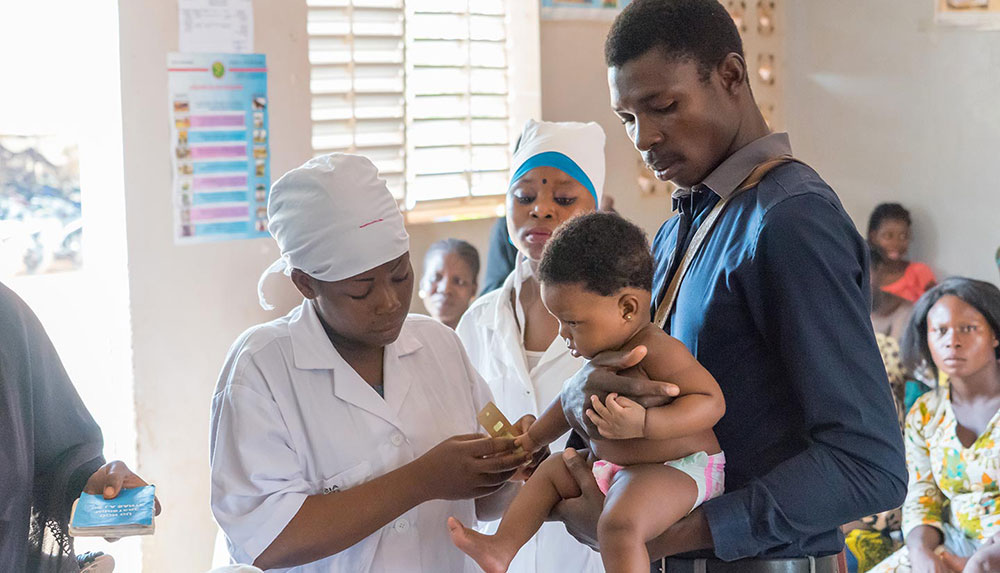
Frontline health workers provide services directly to communities, especially in remote and rural areas. They are the first—and often only—link to essential health services for millions of people. They provide lifesaving care and treatment, and investments in their training and ongoing support lead to tremendous health and economic returns.

The Challenge


Half the world
’s population lacks sufficient access to healthcare, including more than one billion people in rural and remote communities. Low- & middle-income countries (LIMCs) lose trillions of dollars each year as a result of millions of lives lost to preventable deaths. This hinders critical investments in national & sub-national health systems needed to tackle these needs. In addition, a massive massive workforce shortfall of 18 million healthcare workers is predicted by 2030, with those gaps felt most acutely in LMICs.


The Opportunity

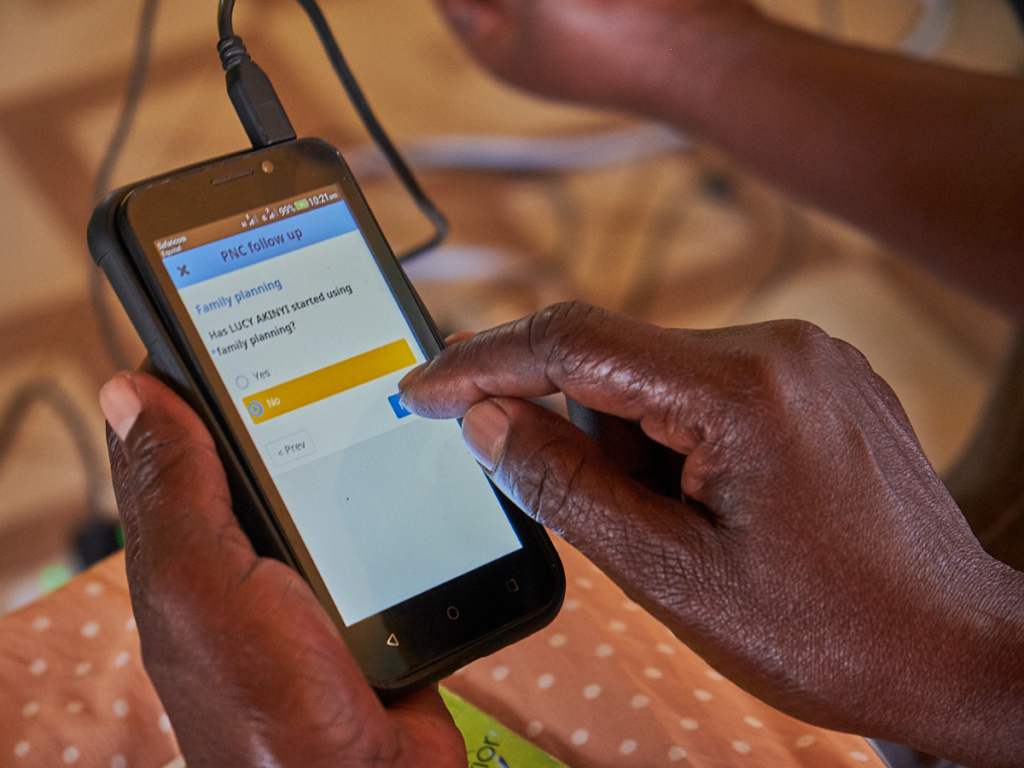
Data Science can play an important role in the design and delivery of care by frontline healthcare workers. Deaths from treatable conditions can be prevented by early clinical assessments and treatment, as well as by reducing the three critical delays of care. AI-supported tools can be hugely helpful in insuring that the right healthcare service is delivered to the right people at the right time, and delivered by properly-trained frontline healthcare workers.


Projects

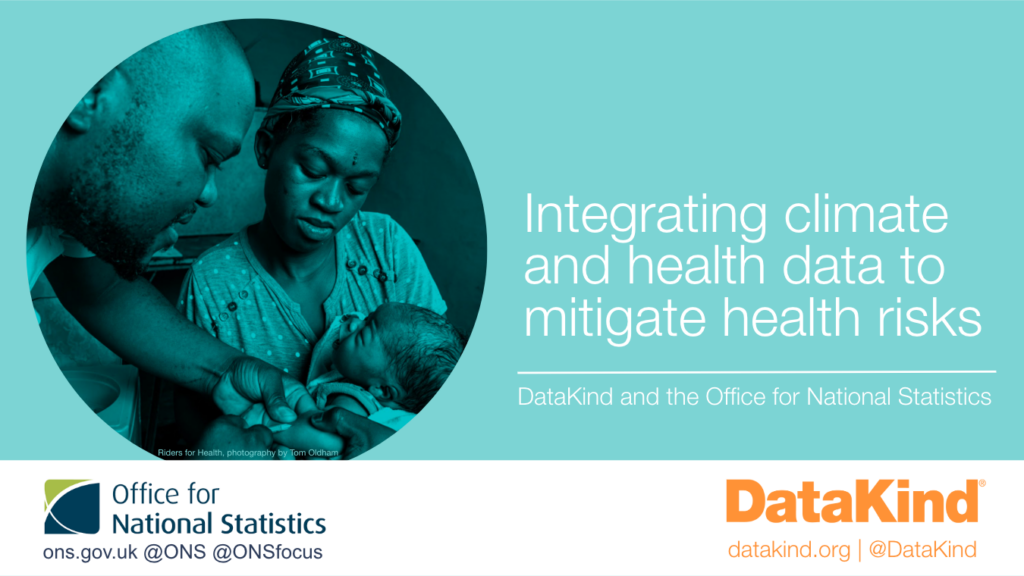
  • To ensure the latest technology and knowledge is being used to give the hardest-to-reach communities the best possible access to healthcare, DataKind partnered with Riders for Health to optimize access to healthcare for 47 million people across five African nations, particularly for those in rural and remote regions.
  • DataKind partnered with Medic to improve data quality in large deployments of digital data collection tools and digitally- enabled community health information systems. This work led to the development of the Data Observation Toolkit (DOT), an open-source, community informed product capable of monitoring for inconsistent and problematic data. The DOT has since been recognized as a digital public good.
  • DataKind partnered with Living Goods and Save the Children to convene key thought leaders and practitioners in frontline healthcare. The summit focused on how to leverage digital healthcare tools to more efficiently get services to the people who need them most.

Read More

Welcome Greg Wolniak, PhD, DataKind’s Head of Education Initiatives

We’re pleased to welcome Greg Wolniak, PhD, to DataKind as our Head of Education Initiatives. Greg joins the team with more than two decades of ...

From Data to Impact: What We Built and Learned Through DataKind’s Global DataKit with Producers Direct

By Mallory Sheff, Director, Financial Inclusion, DataKind In late 2025, DataKind partnered with Producers Direct to run a global DataKit event focused on understanding smallholder ...

Welcome Cecilia Saldaña, DataKind’s Manager, Grants and Financial Planning 

We’re excited to welcome Cecilia Saldaña to DataKind as our Manager, Grants and Financial Planning. With more than a decade of experience in nonprofit finance ...
Scroll to Top